
Leadership development, compassionate crisis responses: International news briefs
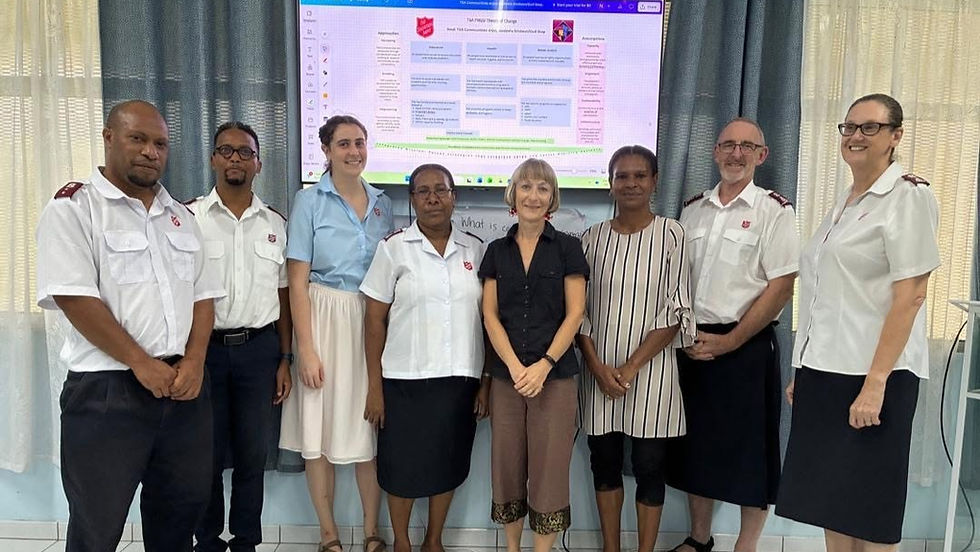
Earlier this year, The Salvation Army International Development (SAID) Australia partnered with officers and development staff from Papua New Guinea and Solomon Islands Territory to strengthen their Territorial Community Development Strategy - a roadmap for positive, long-term change.
Through open dialogue and a two-day workshop at Territorial Headquarters in Port Moresby, staff and leadership reflected on what’s working, where growth is needed, and how the Army’s mission and values guide community development.
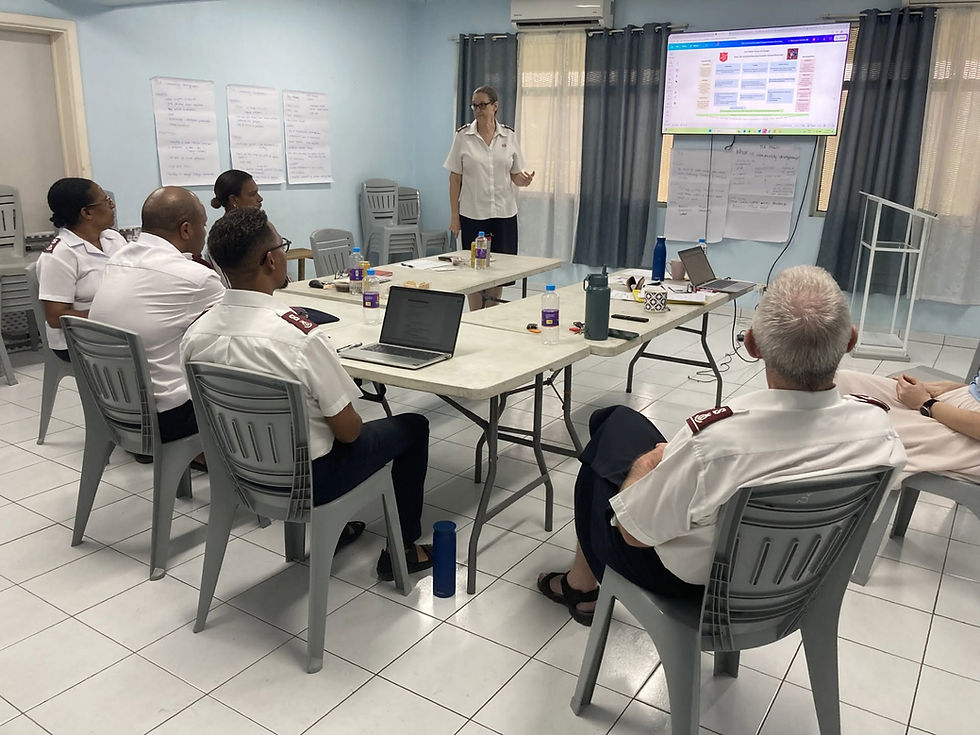
“By working together, we’re aligning efforts around a common goal: Gudpela Sindaun / Gud Stap meaning fullness of life, for communities that the Salvation Army is working in,” the SAID team wrote on their Facebook page.
“By equipping, enabling and empowering communities across education, health and social justice, and by listening closely to local voices, communities are better placed to identify their needs, speak out, and lead their own development.
“When staff, leadership and partners collaborate with a shared vision, meaningful and lasting community change becomes possible.”
To find out more about the work of SAID, see their website here.
Southern Africa Leaders’ Gathering

Leaders from across the Southern Africa Territory met this week for the beginning of The Salvation Army's Territorial Leaders Gathering.
In a Facebook post, leaders thanked God and requested prayer for the event.
“As territorial leaders gather from across Southern Africa, we give thanks to God for this opportunity to seek His wisdom, strengthen our fellowship, and renew our shared commitment to His mission. May these days be filled with meaningful conversations, Spirit-led discernment, and a fresh vision for the work ahead,” they wrote.
“Please keep our leaders in your prayers as they meet, worship, and plan together for the advancement of God’s Kingdom throughout our Territory.”
To find out more about the Southern Africa Territory, see here.
Response to Ebola outbreak expands
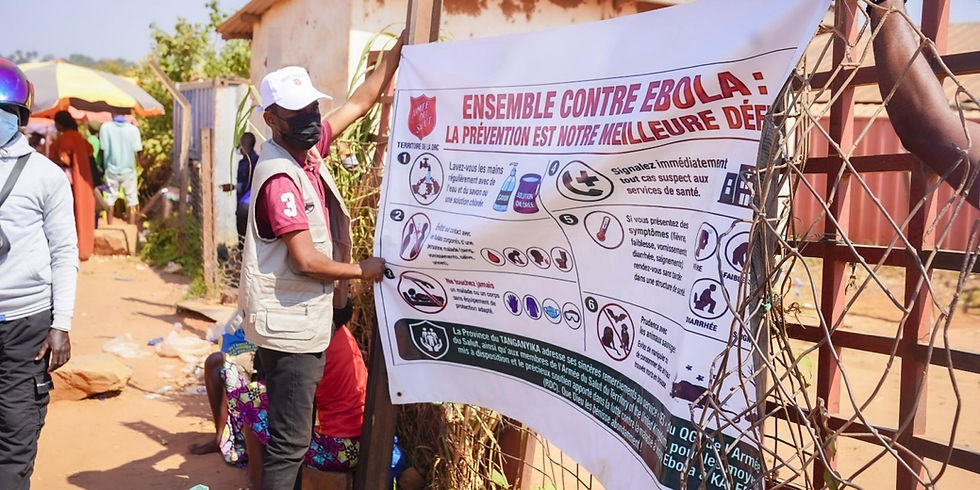
Also in Africa, The Salvation Army is expanding its combined Ebola prevention and response program across the Democratic Republic of the Congo (DRC), with confirmed cases rising and number of deaths also increasing.
With transmission being recorded now in more than 33 health zones, including parts of Ituri, North Kivu and South Kivu. The Salvation Army’s response has included supplying protective equipment to 13 TSA health facilities in Kinshasa, and the completion of a prevention project in Kalemie.
Training is now also underway for health workers and other key stakeholders in Kinshasa, with community awareness, hygiene and infection-prevention activities being implemented in Bunia and Goma in the DRC and parts of Uganda and the Republic of Congo.
Further projects are being developed to provide hygiene facilities, improve infection prevention and increase awareness in communities, schools, churches and health centres. Local leaders are also working alongside Salvation Army teams to share reliable information, challenge misinformation and encourage safer behaviour.
To find out more about The Salvation Army's response to the Ebola crisis, see here.
World leaders in Europe for festival
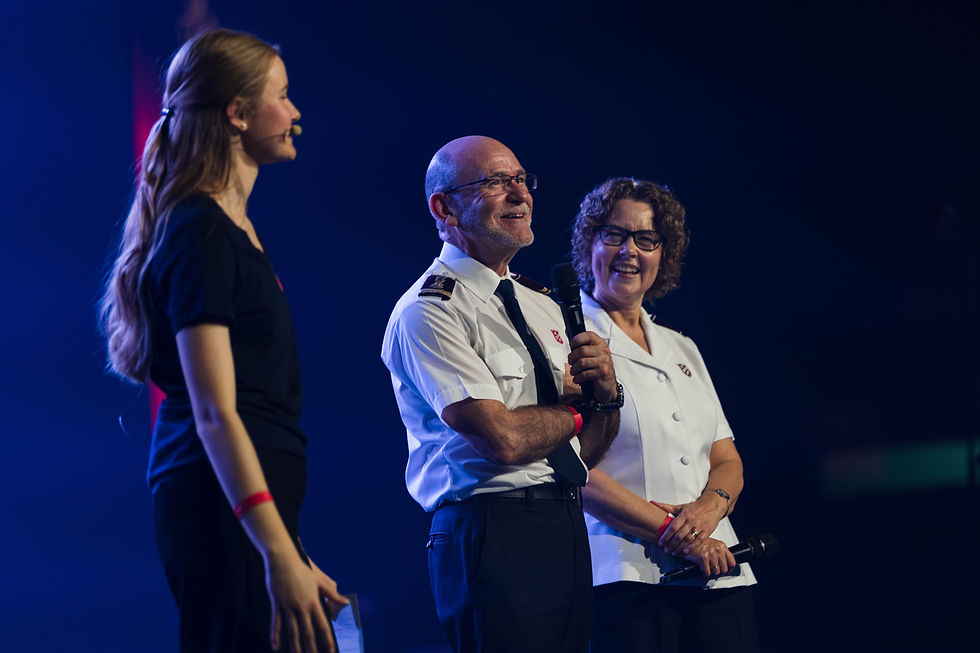
In Europe, General Lyndon Buckingham and Commissioner Bronwyn Buckingham recently joined almost 1200 officers, soldiers, employees, friends and supporters from the Switzerland, Austria and Hungary Territory for ‘meet & celebrate 2026’, held at Thun-Expo on 27–28 June.
The weekend festival, themed ‘Thy Kingdom Come’, brought people of all generations together for worship, teaching, interactive workshops, community activities, games and fellowship. Following months of preparation, around 200 volunteers gave their time to help deliver the event, which followed the territory’s 2022 gathering, ‘Out of the Box’.
In a deliberate departure from usual protocol, the General was interviewed on stage by young people, with no member of territorial leadership alongside him. This was a conscious decision by the Swiss organising team to ensure that young people were not only spoken about but actively involved in shaping the event.
The entire weekend was also hosted by emcees in their early 20s, marking another significant first for the territory.
To read more, see here.


