
National Reconciliation Week – a Q&A with Violet Love
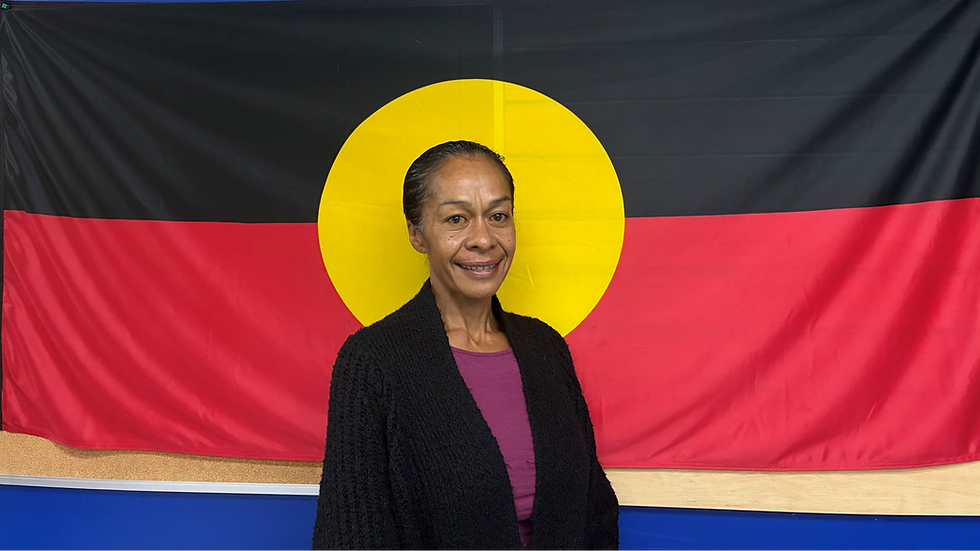
Violet Love is an Aboriginal and Torres Strait Islander Engagement Officer at The Salvation Army. On Violet’s great-grandfather’s side, she is part of the Gamilaroi nation. Their area extends from Western Queensland down to Northern New South Wales. Violet is immensely passionate about helping Mob transition into meaningful careers. As she says, "I hope that by doing this, I can help Mob to achieve their goals and strive for a better future.”
Why would you encourage all Australians to be or become involved in National Reconciliation Week?
I would encourage all Australians to be involved in National Reconciliation Week so that they can be part of the ongoing healing journey that Reconciliation Australia aims to achieve.
By becoming involved in your local community’s National Reconciliation Week activities – often held in your nearby educational institutions – we are working towards promoting a better understanding of history, how it affected Aboriginal and Torres Strait Islander peoples and the generations that followed, until our current day.
This includes learning more about Aboriginal and Torres Strait Islander history, the importance of the dates of the week – from 27 May to 3 June – and also 26 May (the day prior) – National Sorry Day, which holds significance as this day marked the first nationally televised apology from the Australian Government to the Stolen Generation, and continues to be commemorated each year.
It is also about touching on Australia’s colonial history and how it affected Aboriginal and Torres Strait Islander peoples, including the devastation that occurred when they were forcibly removed from Country, the war that occurred between Indigenous and non-Indigenous people, and the genocide, violence, racism and consequential generational trauma that still exists within Aboriginal and Torres Strait Islander communities today.
From a human being standpoint, it is important to learn and have a better understanding and empathy, as a fellow neighbour ‘on Country’ and ‘in Australia’.
By becoming involved, you are taking the first steps towards acknowledging its occurrence and being able to walk together as one community, reducing racism and discrimination in our current landscape, and building a better and more prosperous Australia for all our generations to come.
What are some of the specific ways people can celebrate National Reconciliation Week?
You could organise an event and register it on Reconciliation Australia’s website, or simply make time to learn about the history of the week, dates involved and why they are important. Share your discoveries with your colleagues and friends over a coffee and encourage discussions.
Have a yarn to your friends and colleagues who identify as Aboriginal and Torres Strait Islander about your findings and ask them any questions to show your interest to learn more and have a better understanding. This is often appreciated by our people as it shows us you have a commitment to learn more.
Check out social media platforms to find local events, information and learning tools. Instagram and Facebook are among the main platforms used by Reconciliation Australia. LinkedIn also runs campaigns focusing on Indigenous inclusion in the workplace, while YouTube hosts dedicated videos and campaigns, including Reconciliation Australia resources and other content led by Indigenous peoples.
Why is the 2026 theme ‘All in’ so timely and important?
We, as a community, are all human. We all experience challenges, hardships and sometimes, heartache. Having someone else to talk to or lean on is often the difference between a sad ending or a good news story. For indigenous and non-Indigenous individuals to walk and work together, this can lead us into a future where all people have an opportunity to feel more connected, supported, and more likely to help or ask for help if needed. Healing cannot heal on its own – it requires elements of care, trust, kindness, patience and empathy, from all community members, to create a better future for us, our children and their generations to come.


